
Plumbing Solutions in Martha’s Vineyard
Salt air, shifting seasons, and island infrastructure demand plumbing systems built for resilience. At Lowe Energy Design Inc., we approach plumbing with the same engineering mindset that defines high-performance HVAC work. Water delivery, drainage, and fixture installation are never treated as afterthoughts. Instead, we evaluate pipe materials, pressure regulation, water quality, and long-term efficiency to create plumbing systems that function reliably in coastal conditions. From new construction rough-ins to complex system upgrades, our team prioritizes precision, durability, and code compliance at every stage of installation and repair.
We serve Martha’s Vineyard, as well as the surrounding areas including Edgartown, Oak Bluffs, Vineyard Haven, and West Tisbury. Properties across Dukes County face unique plumbing considerations due to seasonal occupancy changes, elevated humidity, and proximity to the Atlantic coastline. Freeze protection during winter months and corrosion resistance during humid summers are critical for preserving system longevity. Our familiarity with island permitting requirements and local infrastructure standards allows projects to move forward efficiently while maintaining strict adherence to Massachusetts plumbing regulations.
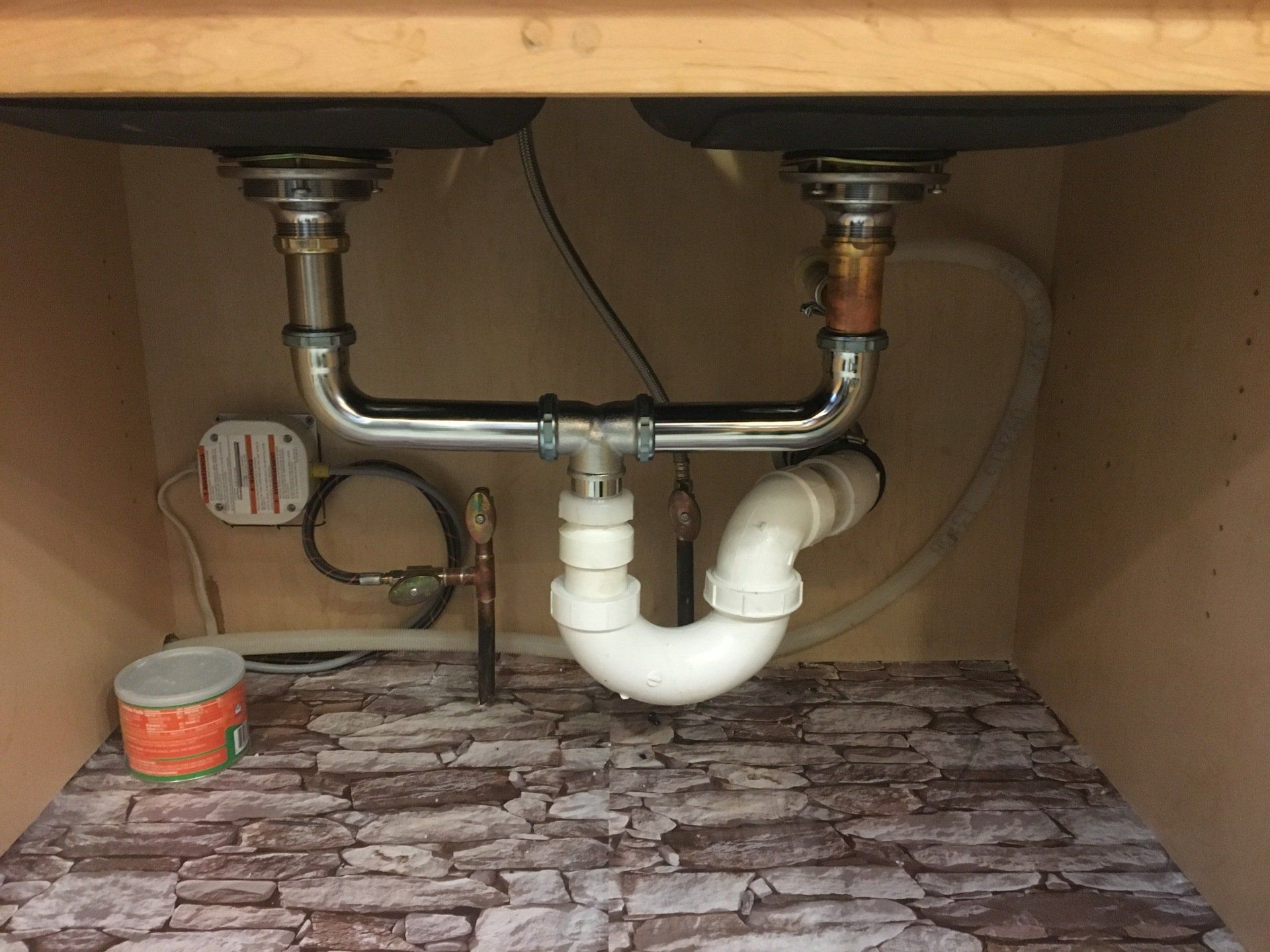
With 30
years of industry experience, we design plumbing systems that integrate seamlessly with heating, cooling, and energy systems for balanced performance. Whether replacing aging copper lines, upgrading water heaters, or reconfiguring drainage layouts during renovations, we focus on thoughtful planning and disciplined execution. Plumbing is the hidden backbone of a property; when designed correctly, it delivers comfort, sanitation, and operational stability without disruption. Our approach ensures every component supports long-term property value and dependable daily performance.
Our Plumbing Services
New Construction Plumbing Installation
Complete plumbing system design and installation for residential and light commercial construction projects, including water supply lines, drainage networks, vent stacks, and fixture connections. Strategic layout planning supports balanced water pressure, efficient routing, code compliance, and coordinated integration with structural and mechanical building components.
Plumbing System Upgrades and Replacements
Replacement of aging pipes, deteriorated fittings, and outdated plumbing materials with durable, modern alternatives engineered for longevity. System upgrades enhance water flow, reduce leak risks, improve efficiency, and ensure compliance with current building codes while minimizing disruption during remodeling or renovation projects.
Water Heater Installation and Replacement
Installation and replacement of high-efficiency tank and tankless water heaters sized for property demand. Proper venting, calibrated temperature controls, and secure connections promote reliable hot water delivery, improved energy performance, enhanced safety, and extended equipment lifespan for residential and seasonal applications.
Leak Detection and Pipe Repair
Comprehensive inspection procedures identify concealed leaks within walls, slabs, ceilings, and crawl spaces. Precision repair techniques isolate damaged sections, reinforce pipe integrity, and prevent structural deterioration. Targeted solutions minimize demolition, protect finishes, and restore system reliability without unnecessary disruption.
Drain Cleaning and Sewer Line Service
Professional removal of buildup, grease accumulation, debris, and obstructions from drain and sewer lines using specialized equipment. Thorough cleaning restores consistent flow, reduces recurring clogs, eliminates unpleasant odors, and protects plumbing infrastructure from pressure buildup and sanitation-related complications.
Fixture Installation and Plumbing Remodeling Support
Installation of sinks, toilets, showers, tubs, faucets, and specialty plumbing fixtures during renovations or new layouts. Careful alignment, secure connections, and compatibility verification ensure dependable operation, efficient water use, and seamless integration with existing plumbing systems and structural components.
Benefits of Professional Plumbing Services
Improved Water Efficiency
Modern plumbing upgrades incorporate water-saving fixtures, optimized pipe sizing, and pressure-balancing technology that reduce unnecessary water waste. Efficient plumbing conserves resources, lowers utility expenses, and supports environmental responsibility without compromising comfort, delivering measurable long-term savings for residential and commercial properties alike.
Enhanced System Longevity
Professional installation and calibrated pressure regulation prevent premature wear on pipes, valves, and fittings. Proper slope alignment, corrosion-resistant materials, and code-compliant connections reduce stress on plumbing infrastructure, helping systems operate consistently and reliably for decades with fewer major repairs.
Consistent Water Pressure
Balanced distribution systems eliminate pressure fluctuations that disrupt showers, appliances, and fixtures. Correct pipe diameters and pressure-reducing valves maintain steady performance across multiple usage points, ensuring reliable water delivery even during high-demand periods within households or light commercial properties.
Leak Prevention and Early Detection
Strategic pipe routing, secure joint connections, and quality sealing materials significantly reduce the likelihood of hidden leaks. Advanced inspection practices help identify small vulnerabilities before they escalate into structural damage, mold growth, or costly restoration work within walls and foundations.
Code Compliance and Safety
Up-to-date plumbing installations align with evolving building codes and safety regulations. Proper venting, backflow prevention, and secure gas-line connections minimize contamination risks and health hazards, ensuring water systems meet professional standards while protecting occupants and property investments.
Integrated System Performance
Plumbing designed alongside heating and energy systems supports overall building efficiency. Coordinated layouts prevent conflicts between mechanical components, improve equipment accessibility, and streamline maintenance procedures, resulting in a cohesive infrastructure that enhances operational reliability throughout the property.
Reliable Water Flow Backed by Structured Plumbing Solutions
Plumbing on Martha’s Vineyard must perform quietly yet reliably through humid summers, salt-laden air, and cold New England winters. Lowe Energy Design Inc. approaches every plumbing project with disciplined craftsmanship and mechanical insight shaped by 30 years of experience. We evaluate water flow, material durability, and system integration before recommending solutions, ensuring each installation strengthens overall building performance. From precision pipe replacements to high-efficiency water heater installations, our work reflects attention to detail and long-term thinking. Properly engineered plumbing safeguards property value, protects structural integrity, and enhances everyday comfort without compromise. By combining code-compliant practices with advanced system design, we create plumbing infrastructure that adapts to seasonal demands and evolving household needs.
Frequently Asked Questions
How often should plumbing systems be inspected?
Plumbing systems should be professionally inspected at least once every two years, with annual evaluations recommended for older properties. Inspections identify corrosion, pressure irregularities, minor leaks, and drainage inefficiencies before they escalate. Preventive assessments extend system lifespan, reduce emergency repairs, and maintain consistent water quality and performance throughout the property.
What are common signs of hidden plumbing leaks?
Unexplained increases in water bills, damp drywall, musty odors, and fluctuating water pressure often indicate concealed leaks. Stains on ceilings or warped flooring may also signal pipe damage behind surfaces. Early investigation prevents structural deterioration, mold growth, and costly restoration by addressing issues before significant damage develops.
Is upgrading older pipes worth the investment?
Yes, especially in properties with aging galvanized or corroded copper lines. Replacing outdated piping improves water quality, strengthens pressure consistency, and reduces leak probability. Modern materials resist corrosion and scaling, helping plumbing systems operate more efficiently while increasing overall property value and long-term reliability.
How can plumbing systems be protected during winter months?
Insulating exposed pipes, sealing crawl spaces, and maintaining consistent interior temperatures prevent freezing and pipe bursts. Seasonal preparation is essential in colder climates where temperature swings create stress within plumbing lines. Proactive winterization reduces emergency repairs and preserves system integrity during extended cold periods.
What causes low water pressure in homes?
Low water pressure may result from sediment buildup, partially closed valves, pipe corrosion, hidden leaks, or municipal supply variations. A structured diagnostic process isolates the root cause. Addressing the underlying issue restores balanced distribution and ensures fixtures and appliances operate without interruption.
Are tankless water heaters suitable for coastal properties?
Tankless systems are well-suited for many coastal homes when properly sized and installed. They provide continuous hot water while reducing standby energy loss. At Lowe Energy Design Inc. in Martha’s Vineyard, we evaluate usage patterns, ventilation needs, and water quality conditions before recommending installation.
How does plumbing integrate with HVAC systems?
Hydronic heating, boiler connections, and condensate drainage require coordinated plumbing design. Integrated planning ensures heating equipment, water supply lines, and drainage systems function cohesively. Lowe Energy Design Inc. in Martha’s Vineyard approaches plumbing with mechanical coordination in mind to support overall building performance.
When should sewer lines be professionally cleaned?
Sewer lines should be cleaned when slow drainage, recurring clogs, or unpleasant odors appear. Preventive cleaning every few years can also reduce blockage risks in high-use properties. Professional equipment removes buildup thoroughly, protecting pipes from internal damage and minimizing the chance of disruptive backups.